
Maintainer
Messier, Kyle (NIH/NIEHS) kyle.messier@nih.gov
GeoTox is an open-source R software package for characterizing the risk of perturbing molecular targets involved in adverse human health outcomes based on exposure to spatially-referenced stressor mixtures via the GeoTox framework - otherwise known as source-to-outcome-continuum modeling. The package, methods, and case-studies are described in Messier, Reif, and Marvel, 2025, Human Genomics.
The GeoTox framework was first described in Eccles et al. A geospatial modeling approach to quantifying the risk of exposure to environmental chemical mixtures via a common molecular target. Sci Total Environ. 2023 Jan 10;855:158905.
Installation
The current stable version of the package can be installed from CRAN.
install.packages("GeoTox")The previous implementation of the package, which uses in-memory storage instead of DuckDB, can be installed by specifying the version.
#install.packages("pak")
pak::pak("GeoTox@0.3.0")
Development Version
The development version can be installed from GitHub.
#install.packages("pak")
pak::pak("NIEHS/GeoTox@dev")
Overview
Figure 1 below shows the steps in the source-to-outcome-continuum or GeoTox modeling framework that is capable in the GeoTox package. The GeoTox package uses R S3 object-oriented programming to create the GeoTox object. The GeoTox object contains all of the information required to run the analysis including tracking exposure, assays, dose-response, and geospatial referencing. Each component of the object and pipeline are stored in a relational DuckDB database.
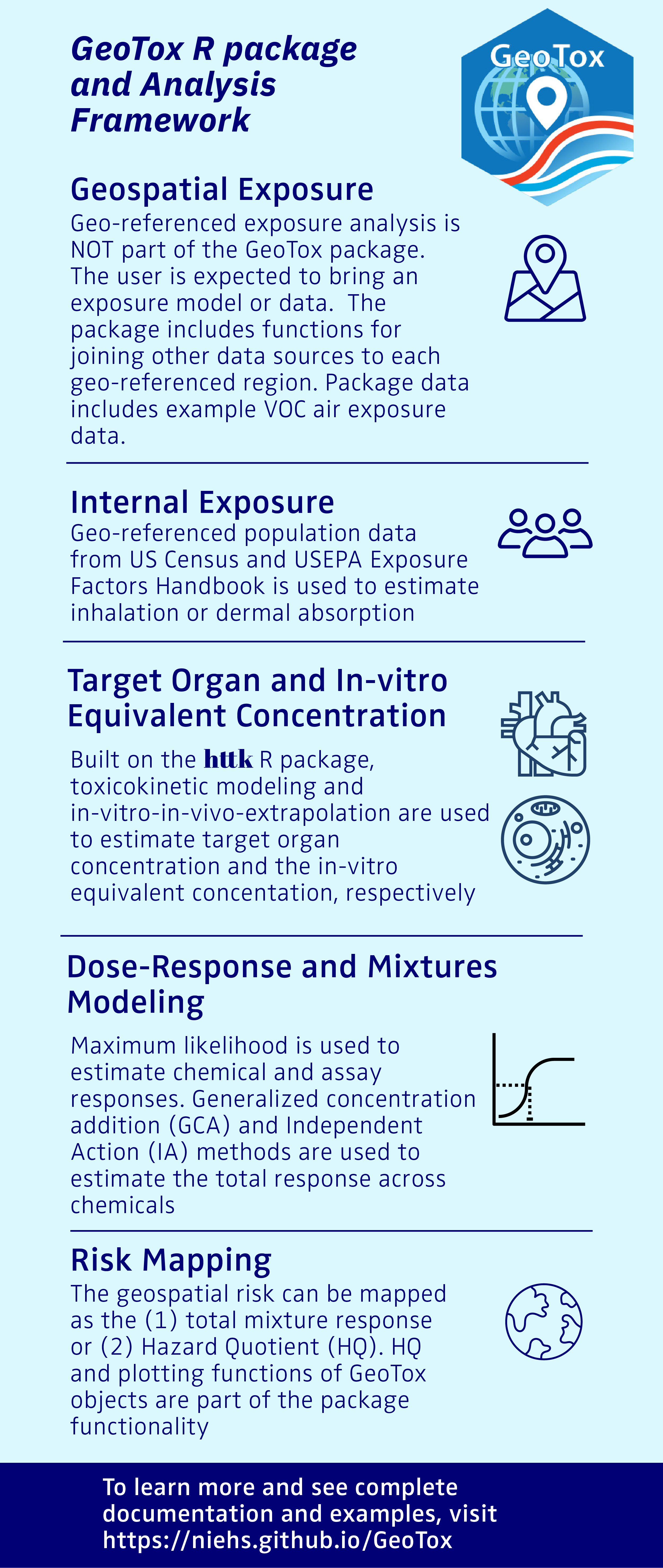
Figure 1: Overview of the steps in the GeoTox framework
Getting Started
Please refer to the package website for a detailed description of how to use GeoTox. The development version can be accessed here.
Citation
For citation information, please refer to our CITATION file.
Issues and Contributions
To add or edit functionality, open a pull request into the main branch with a detailed description of the proposed changes. Pull requests must pass all status checks, and then will be approved or rejected by the GeoTox maintainers.
Utilize GitHub issues to notify the authors of bugs, questions, or recommendations. Identify each issue with the appropriate label to help ensure a timely response.